
Non GamStop Free Spins UK — No Deposit Bonuses & Best Offers 2026
 Available in GB
No deposit offers, wagering breakdowns, safety checks, and the best slots to use them on.

Contents
Free spins reality check
One question first, then see what an offshore free spins offer is likely to pay — next to the same spins under UK rules.
Are you registered with GamStop, or have you been in the last year?
Then no free spins offer is worth it for you
You blocked gambling for a reason, and offshore spins are designed to sit exactly where that block can't reach. "Free" spins are there to get you depositing. If the urge is strong right now, it will pass — and you don't have to face it alone:
- National Gambling Helpline, free and 24/7: 0808 8020 133 via GamCare.
- Block offshore casino sites on your devices for free with BetBlocker.
- Switch on the gambling block in your banking app.
Offshore offer
Same spins at a UK site (10x cap)
Based on 3,000 simulated players per column using a simplified paytable scaled to your RTP; real slots differ. UK-licensed operators have been limited to 10x wagering since 19 January 2026 and are covered by GamStop and UK dispute resolution. More: wagering requirements explained.
18+.
What Non-GamStop Free Spins Actually Mean for UK Players
If you've hit GamStop's wall and still want to spin, the landscape beyond UKGC borders isn't what you've been told. It's not a lawless wasteland of rigged reels and vanishing deposits. Nor is it the paradise of unlimited bonuses that certain affiliate sites would have you believe. The reality sits somewhere in between — and understanding exactly where is the difference between a sharp decision and an expensive mistake.
Non-GamStop free spins are bonus offers provided by online casinos that operate outside the jurisdiction of the UK Gambling Commission. These casinos hold licences from international regulatory bodies — Curaçao, Malta, Gibraltar, and others — and because they aren't connected to the UKGC's licensing framework, they don't participate in the GamStop self-exclusion scheme. That's the defining feature. Not the games, not the software, not even the payment methods. The distinction is regulatory: these operators answer to a different set of rules, and the protections available to you as a player shift accordingly.
GamStop is the UK's national online self-exclusion scheme, managed as a not-for-profit organisation. When you register, all UKGC-licensed gambling operators are required to block your access for a minimum of six months, with options extending to one year or five years. The scheme is mandatory for every operator holding a UK Gambling Commission licence. Non-GamStop casinos — those licensed by international regulators such as the Curaçao Gaming Authority or the Malta Gaming Authority — are not connected to this database, meaning GamStop registrations have no effect on access to their platforms.

The free spins themselves function identically to what you'd find at any UKGC-regulated casino. You receive a set number of spins on designated slot games, each spin carries a fixed value, and any winnings generated are typically credited as bonus funds subject to wagering requirements. So far, nothing unfamiliar. What changes is the regulatory environment surrounding it: the wagering caps, the cashout limits, the dispute resolution pathways, and — critically — the degree to which the operator is held accountable if something goes wrong.
This guide strips the topic down to its components. We'll walk through how these free spins are structured, what separates a no-deposit offer from a deposit-linked package, and how to calculate whether a bonus is genuinely worth claiming. We'll examine the licensing bodies behind these casinos, the practical steps for verifying a site's legitimacy, and the slots that give your free spins the best mathematical chance. We'll also cover deposits, withdrawals, and the responsible gambling tools you'll need to set up for yourself — because outside the UKGC framework, nobody is going to set them up for you.
How Free Spins Work Outside the UKGC Framework
The mechanic is identical — the rules around it are not. A free spin at a non-GamStop casino does precisely what a free spin does anywhere else: it triggers a single round on a specified slot game without deducting funds from your balance. The slot's random number generator determines the outcome, the paytable applies, and any resulting payout gets credited. So far, so familiar. Where things diverge is in how those payouts are handled, what conditions are attached, and how much control you have over converting bonus winnings into withdrawable cash.
Every free spin carries an assigned monetary value, typically ranging from £0.05 to £0.50 per spin. This isn't arbitrary — it determines the maximum potential payout per round and, more importantly, it defines the starting figure for any wagering calculation. A package of 50 free spins valued at £0.10 each gives you £5.00 in total spin value. That £5.00 — or more accurately, whatever the reels return from it — becomes the basis of your bonus balance. At UKGC-regulated sites, the January 2026 amendments to Social Responsibility Code 5.1.1 now cap wagering requirements at ten times the bonus amount. Non-GamStop operators face no such cap, which is why you'll encounter playthrough multipliers ranging from 20x to 70x or higher.
Spin Value — the fixed monetary amount assigned to each individual free spin, determining the bet size per round. A £0.10 spin value on a slot with 20 paylines means each line is covered at £0.005 per line.
Wagering Multiplier — the number of times you must bet through your bonus winnings before they convert to withdrawable cash. A 35x multiplier on £10 in winnings means placing £350 in total bets.

Types of Free Spins at Non-GamStop Casinos
The non-GamStop market offers several distinct categories, and the differences matter more than most players realise. No-deposit free spins are awarded simply for creating an account — no financial commitment required. They're the smallest packages (10 to 50 spins), with the tightest restrictions: high wagering, low cashout caps, narrow game eligibility. Think of them as a test drive rather than a gift.
Deposit-match free spins are bundled with your first deposit as part of a welcome package. These carry more reasonable wagering terms because the casino has already secured your deposit — spin values run higher, game selection is broader, and cashout limits more generous. Reload spins follow a similar logic but target existing players with weekly or monthly top-up offers. Loyalty spins come through VIP programmes, often with reduced or zero wagering.
Wager-free spins are the rarest and most valuable category. Winnings credit directly to your real cash balance with no playthrough. They exist at non-GamStop casinos, though they're far less common than marketing suggests. When you find them, check the spin value carefully — a wager-free spin worth £0.05 on a low-volatility slot produces modest returns by design.
How Free Spins Are Triggered and Credited
Activation methods vary, and getting this wrong is one of the most common reasons players miss bonuses entirely. Auto-credit is the simplest: register, and the spins appear after email verification. Bonus code activation requires entering a specific alphanumeric code during registration or in the cashier — miss it or enter it at the wrong stage, and the bonus won't trigger. Opt-in activation means manually claiming from a promotions dashboard; the casino won't apply it automatically. A fourth method — customer support activation — requires contacting live chat to request the spins, signalling a smaller operation with manual bonus management.
Spins are typically credited all at once or in daily batches (for example, 20 per day over five days). This staggering extends engagement and may reset the expiry clock on each batch. Pay attention to expiry periods — unused spins commonly expire within 24 to 72 hours of being credited, and associated winnings may follow the same timeline.
No Deposit Free Spins vs Deposit-Linked Packages
One costs nothing up front — but that doesn't make it free. The distinction between no-deposit and deposit-linked free spins shapes everything that follows: the wagering burden, the cashout ceiling, the games you can play, and the realistic expected value of the bonus. Players who treat these two categories as interchangeable are setting themselves up for frustration.
No Deposit Free Spins
No financial commitment required. Awarded on registration. Typical package: 10–50 spins. Spin value usually £0.05–£0.10. Wagering requirements: 40x–65x. Maximum cashout: often capped at £20–£100. Game eligibility: restricted to one or two specific slots. Expiry: 24–72 hours. Primary purpose: player acquisition and platform sampling.
Deposit-Linked Free Spins
Requires a qualifying deposit, typically £10–£20 minimum. Awarded as part of a welcome package or reload offer. Typical package: 50–200 spins. Spin value usually £0.10–£0.25. Wagering requirements: 25x–40x. Maximum cashout: higher caps or uncapped. Game eligibility: broader selection across multiple titles. Expiry: 7–30 days. Primary purpose: deposit incentive and retention.
The maths tells the story more clearly than any marketing blurb. Take a no-deposit offer of 20 free spins at £0.10 each with a 50x wagering requirement and a £50 maximum cashout. Your total spin value is £2.00. Even if the slot returns generously and you accumulate £15 in bonus winnings, you'll need to wager £750 (£15 multiplied by 50) before a single penny converts to cash — and you can never withdraw more than £50 regardless of what your balance shows. The expected value of this bonus, factoring in the house edge over £750 in wagers, is close to zero for most players. It's not worthless — it's a free look at the casino — but it's not a profit engine.
Deposit-linked spins operate in a different economy. A welcome offer of 100 spins at £0.20 each with a 30x wagering requirement and no cashout cap gives you £20 in total spin value. Assume the same generous session yields £60 in bonus winnings: you'll need to wager £1,800 to clear the requirement. That's still a significant volume, but with a higher starting balance, broader game selection, and no cashout ceiling, the realistic chance of walking away with something meaningful is substantially better. The deposit acts as both an entry fee and a signal to the casino that you're a player worth investing in — which is why the terms skew in your favour.
There's a psychological dimension too. No-deposit bonuses attract volume: they bring thousands of registrations, most of which never convert to depositing players. The casino prices this into the terms. Tight wagering, low caps, restricted games — all calibrated so the operator's cost per acquisition stays manageable. Deposit bonuses, by contrast, are offered to players who've already committed funds. The casino's incentive shifts from acquisition to retention, and the terms reflect that shift. Neither category is inherently better or worse. They serve different purposes. The mistake is expecting one to behave like the other.
A practical rule of thumb: use no-deposit free spins to evaluate the platform. Test the interface, check the game library, try a withdrawal request to see how the casino handles processing. If the experience passes your standards, then consider whether a deposit-linked bonus makes sense for your budget and playing style. The free spins aren't the destination — they're the entrance.
Wagering Requirements — The Maths Behind "Free"
Every free spin has a price tag — it's just hidden behind a multiplier. Wagering requirements are the mechanism that converts bonus winnings from theoretical balance into withdrawable cash, and they are, without exaggeration, the single most important factor in determining whether a free spins bonus has any real value. Ignore the spin count, ignore the flashy welcome banner — the wagering multiplier is where the truth lives.
The concept is straightforward. When you win money from free spins, those winnings are credited as bonus funds. Before you can withdraw them, you must place bets totalling a specific multiple of the bonus amount. A 35x wagering requirement on £10 in bonus winnings means you must wager a total of £350 across eligible games. The house edge eats into your balance with every bet, so the higher the multiplier, the less likely you are to have anything left when you reach the finish line.
How to Calculate the Real Cost of a Free Spins Bonus
Let's work through a concrete example — the kind that no casino's marketing page will show you.
Scenario: 50 Free Spins, £0.10 spin value, 35x wagering
Total spin value: 50 x £0.10 = £5.00
Assumed return (at 96% RTP): £5.00 x 0.96 = £4.80 in bonus winnings
Wagering requirement: £4.80 x 35 = £168.00 in total bets required
Expected loss during wagering (at 4% house edge): £168.00 x 0.04 = £6.72
Result: Expected loss exceeds bonus winnings. Statistical expected value is negative.

That calculation assumes a slot with a 96% RTP, which is reasonable for a mid-range title. The expected loss during wagering (£6.72) exceeds the expected bonus winnings (£4.80). In statistical terms, the bonus has a negative expected value — you'll lose more clearing it than you'll gain from the spins. This doesn't mean nobody ever profits from it. Variance exists. Some players will hit a lucky streak and clear the requirement with balance to spare. But on average, across thousands of players, the casino comes out ahead. That's the business model.
The calculation changes with the variables. Lower the wagering to 20x: expected loss drops to £3.84, and the bonus flips to marginally positive expected value. Raise it to 50x: expected loss climbs to £9.60, and the bonus becomes a near-certain loss. The multiplier is the lever that controls everything.
Game contribution weighting adds another layer. Slots typically count at 100% toward wagering clearance. Table games might count at 10% or 20% — a £10 blackjack bet only clears £1 or £2. Some games are excluded entirely, meaning you burn through balance without progress. Always check the contribution table in the bonus terms.
What Counts as Fair vs Predatory Wagering Terms
Fair wagering requirements on free spins bonuses fall in the 20x to 35x range. At these levels, a player on a 96%+ RTP slot has a realistic chance of clearing the requirement and retaining a portion of winnings. Predatory terms start at 50x and escalate from there. At 60x or 70x, the bonus functions as little more than extended demo play — your balance will grind to zero before you reach the threshold.
But the multiplier isn't the only indicator. Watch for these additional red flags in bonus terms:
- Maximum bet limits during wagering. Many bonuses cap your bet size at £5 or even £2.50 while wagering is active. Exceeding this limit — even accidentally — can void the bonus and all winnings. Some operators enforce this retroactively.
- Time limits. A 7-day expiry on a 50x wagering requirement creates a mathematical pressure cooker. You'd need to wager a significant amount daily, which pushes bet sizes up and increases variance exposure in a way that favours the house.
- Maximum cashout caps. Even if you clear the wagering, some bonuses cap your withdrawal at a fixed amount — say, £100 or £200. If your balance shows £500, you'll only receive the capped amount and the rest is forfeit.
- Restricted game lists. When a bonus forces you onto a single high-volatility slot with below-average RTP, the casino is steering you toward a game where the house edge works hardest during wagering clearance.
The cleanest indicator of a fair bonus isn't any single metric — it's transparency. Operators that display wagering requirements, contribution weightings, bet limits, time restrictions, and cashout caps on the same page as the bonus offer are signalling confidence in their terms. Operators that bury these details across multiple T&C documents, requiring three clicks and a scroll to find the wagering multiplier, are banking on you not reading them. Treat opacity as a warning.
Licensing at Non-GamStop Casinos — Curaçao, MGA, and Beyond
A licence number on the footer isn't a safety guarantee — but its absence is a red flag. Every legitimate non-GamStop casino holds at least one regulatory licence from an international jurisdiction. That licence defines the legal framework governing the operator's conduct, the dispute resolution mechanisms available to players, and the minimum standards for financial security, game fairness, and responsible gambling provisions. Not all licences are created equal, and the jurisdiction behind the licence matters as much as whether one exists at all.
What a Curaçao eGaming Licence Means in Practice
Curaçao has been licensing online gambling operators since the mid-1990s and remains the most common jurisdiction for non-GamStop casinos. Until recently, the system operated through four master licence holders who sub-licensed operators — a structure that created minimal oversight and maximum volume. That changed fundamentally in December 2024, when the Curaçao Parliament passed the National Ordinance on Games of Chance, known as the LOK. The new framework, which was approved on December 17 and came into force on December 24, 2024, abolished the sub-licensing model entirely and placed all licensing authority under a single governmental body: the Curaçao Gaming Authority.
Under the LOK regime, operators must hold a direct licence from the CGA, maintain a physical office on the island, demonstrate financial liquidity sufficient to cover player claims, implement AML and KYC procedures, and comply with responsible gambling requirements. The LOK requires licensees to establish a physical presence in Curaçao and employ local key personnel, though the CGA has postponed enforcement of these local substance requirements to April 2027 following stakeholder concerns. These aren't cosmetic changes — they represent a genuine shift from a rubber-stamp system to something approaching regulatory substance.
That said, Curaçao still operates at a different standard than the UKGC or Malta. Player dispute resolution remains less formalised. There is no mandatory player fund segregation — meaning your deposited funds may not be ring-fenced if the operator becomes insolvent. Enforcement actions, while increasingly visible (the CGA publicly flagged fraudulent operators as recently as February 2026), are still reactive rather than systematic. A Curaçao licence tells you the operator has passed a vetting process and pays for regulatory oversight. It does not guarantee the same level of protection you'd receive under the UK Gambling Commission.
MGA-Licensed Sites and Player Fund Protection
The Malta Gaming Authority occupies a distinctly higher tier. MGA-licensed operators are subject to the Gaming Act (Cap 583 of Maltese law) and its extensive subsidiary legislation, including the Player Protection Directive. This means mandatory player fund segregation — operators must keep player deposits in accounts separate from operational funds, ensuring that if the business fails, your money isn't caught up in the insolvency process.
Malta's regulatory rigour was reinforced in early 2025, when the MGA conducted a thematic review using mystery shoppers across 20 licensees and 58 active URLs. The review tested self-exclusion activation, cross-brand account controls, and responsible gambling tool presentation. Operators that fell short were required to submit rectification plans, with follow-up supervisory engagement and potential enforcement measures. This kind of proactive, audit-driven oversight is largely absent in Curaçao and most other offshore jurisdictions.
For UK players, an MGA-licensed non-GamStop casino offers the closest regulatory standard to what they're accustomed to under the UKGC. The complaint resolution process is formal: the MGA provides a direct channel for player disputes, and operators are obliged to participate in Alternative Dispute Resolution. Minimum capital requirements, published in 2025, set parameters for operators with negative equity, compelling them to restore financial stability — a measure designed to prevent undercapitalised casinos from operating while insolvent.
The trade-off is availability. Fewer non-GamStop casinos hold MGA licences precisely because the barriers to entry are higher and the ongoing compliance costs are substantial. If you find a non-GamStop site with an MGA licence, you've found an operator that has invested meaningfully in regulatory compliance. That investment doesn't eliminate risk, but it narrows the field considerably.
Beyond Curaçao and Malta, a handful of other jurisdictions appear in the non-GamStop landscape. Gibraltar maintains strict standards but its licensees increasingly focus on the UK-regulated market rather than the offshore space. Kahnawake in Canada has a long-standing licensing regime, though its recognition among payment providers has waned. Anjouan and Tobique have emerged as newer alternatives attracting operators seeking low-cost, low-scrutiny licences — these should be approached with substantially more caution than either Curaçao or Malta.
Knowing what a licence means is one thing — knowing how to verify it before you deposit is another.
How to Verify a Non-GamStop Casino Is Safe
Trust nothing at face value — verify everything before depositing. The absence of UKGC oversight means the standard safety net isn't there. No centralised complaints portal, no automatic financial vulnerability checks, no mandated spin-speed limits. The responsibility for due diligence shifts almost entirely to you. That's not necessarily a problem, provided you know what to check and how to check it properly.
Licence verification is the non-negotiable first step. Every legitimate regulator maintains a public database of licensed operators. The Curaçao Gaming Authority's register is accessible through its official website — look for the green digital seal that confirms an active B2C licence. The Malta Gaming Authority provides a searchable licence register at mga.org.mt, where you can look up any operator by name, URL, or licence number. If a casino claims to hold a licence but the number doesn't appear in the regulator's database, walk away. Fake licence badges are trivially easy to paste onto a website footer.
SSL certification is table stakes. Check for the padlock icon in your browser's address bar and verify the certificate is issued to the correct domain. An SSL certificate encrypts data transmitted between your browser and the casino's servers — without it, your personal details and payment information travel in plain text. Every reputable casino, licensed or not, should have this. Its absence isn't just a red flag; it's a deal-breaker.
Independent game audits provide a layer of assurance that the slots and table games actually produce fair outcomes. Look for certification seals from recognised testing laboratories: eCOGRA, iTech Labs, GLI (Gaming Laboratories International), and BMM Testlabs are the most credible. These organisations test random number generators for statistical compliance and publish payout reports. A casino displaying a valid eCOGRA seal has submitted its games to external scrutiny — not a guarantee of perfection, but a significant indicator of operational seriousness.
Player reviews on independent forums deserve more weight than on-site testimonials. Sites like AskGamblers, CasinoMeister, and Trustpilot aggregate player experiences across deposits, gameplay, and — critically — withdrawals. A casino's true colours show during the cashout process. Look for patterns: repeated complaints about delayed withdrawals, reversed cashout requests, or unresponsive support during withdrawal processing are stronger signals than any single negative review.
Before depositing real money, test the casino's customer support. Send a question via live chat and email. Note the response time, the accuracy of the answer, and whether you're talking to a human or a bot recycling template responses. If support is slow or unhelpful before you've deposited, it will be worse after. Try asking a specific question about withdrawal processing times or bonus terms — the quality of the response tells you more about the operation than any About Us page.
Safety Verification Checklist — Complete Before Your First Deposit
- Confirm the licence number on the regulator's official website (CGA, MGA, or other).
- Verify SSL encryption is active and the certificate matches the casino's domain.
- Check for eCOGRA, iTech Labs, or GLI certification seals and validate them on the auditor's site.
- Read player reviews on at least two independent forums, focusing on withdrawal experiences.
- Test customer support via live chat with a specific question about withdrawal timelines or bonus terms.
- Review the full terms and conditions for bonus wagering, cashout limits, and account closure policies.
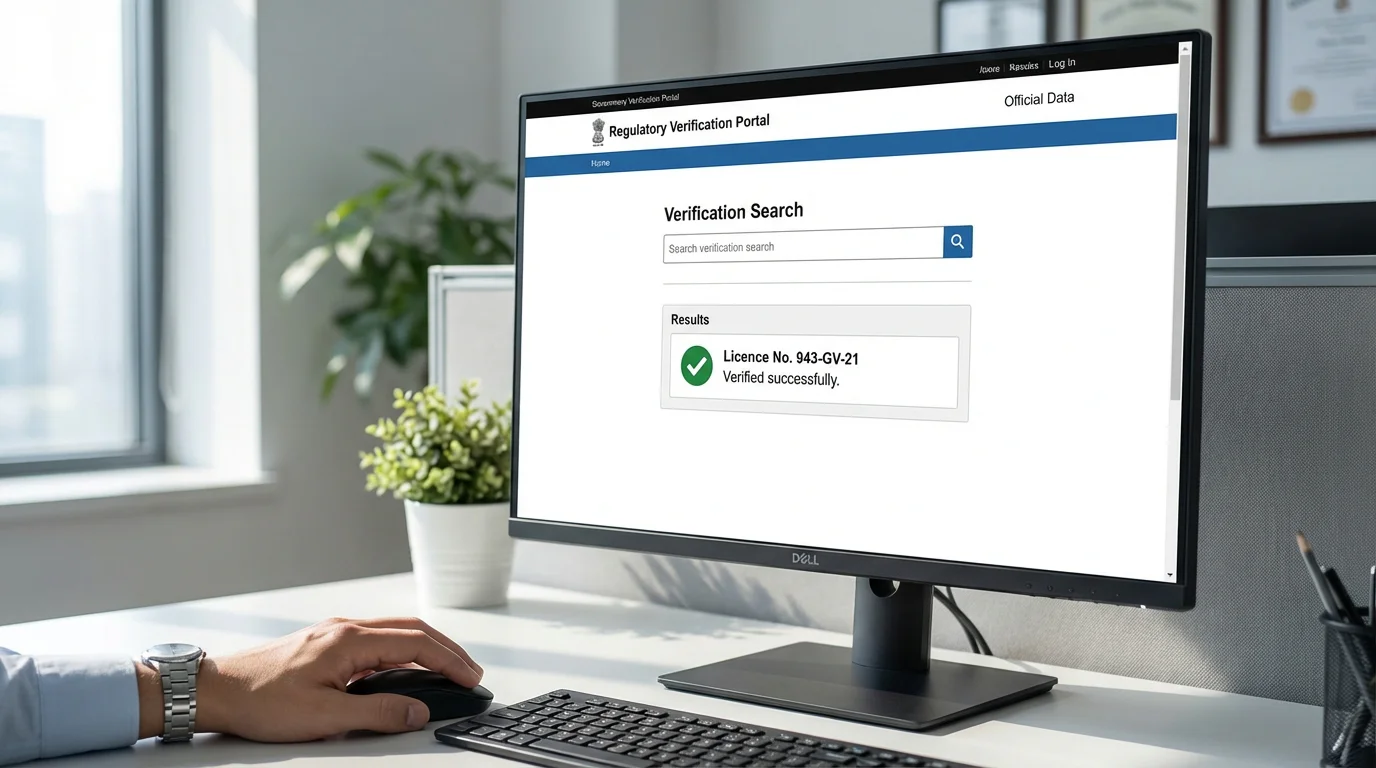
None of these checks individually constitute proof of a safe casino. Combined, they form a picture that's either reassuring or alarming — and the casinos that pass all six are, overwhelmingly, the ones worth your time and money. The five minutes it takes to run through this list is the cheapest insurance you'll ever buy.
Best Slots to Use Free Spins On
Not every slot deserves your free spins — here's where the maths actually favours you. The slot you play during a free spins bonus is a strategic choice, not a cosmetic one. RTP, volatility, and hit frequency interact with wagering requirements in ways that can double your chances of clearing a bonus or halve them.
Two metrics matter above all. Return to Player (RTP) is the theoretical percentage of wagered money a slot returns over millions of spins — a 96.5% RTP returns £96.50 per £100 wagered on average. Volatility describes how that return is distributed: low-volatility slots pay small amounts frequently; high-volatility slots pay larger amounts rarely.
High RTP Picks for Maximum Free Spin Value
When you're grinding through a wagering requirement, RTP is your primary ally. Every percentage point of house edge compounds across hundreds of bets. The difference between a 94% RTP slot and a 97% RTP slot might seem trivial on a single spin, but across the £168 in wagers required to clear a 35x requirement on £4.80 in winnings, that 3% gap translates to an additional £5.04 in expected losses. On a small bonus, that's the difference between a viable clearance and a guaranteed wipeout.
RTP Impact on Wagering Clearance — Worked Example
1. Free spin bonus winnings: £10.00
2. Wagering requirement: 30x = £300 in total bets
3. Slot A (96.5% RTP): Expected loss = £300 x 0.035 = £10.50 — Balance likely depleted before clearance
4. Slot B (98% RTP): Expected loss = £300 x 0.02 = £6.00 — Balance of approximately £4.00 remains after clearance
5. Slot C (94% RTP): Expected loss = £300 x 0.06 = £18.00 — Balance wiped out well before clearance
The highest-RTP slots at most non-GamStop casinos cluster around established titles. Blood Suckers (NetEnt, 98% RTP) has been a wagering clearance workhorse for years — low-to-medium volatility keeps your balance alive through extended sessions. Mega Joker (NetEnt, up to 99% RTP in Supermeter mode) requires a specific bet strategy to access the higher return. Starmania (NextGen, 97.87% RTP) offers straightforward gameplay with no complex bonus mechanics. Other strong picks: 1429 Uncharted Seas (98.6%, Thunderkick), Jokerizer (98%, Yggdrasil), and Kings of Chicago (97.8%, NetEnt). These games share a trait — they return consistently and predictably. Not the most exciting catalogue, but for bonus clearance, consistency beats excitement.
A critical caveat: not all non-GamStop casinos use the same RTP configuration for every slot. Some providers allow operators to choose between multiple RTP tiers for the same game. A slot listed at 96.5% RTP on one casino might run at 94.5% on another. If the casino publishes individual game RTP data (check the help section within the game itself), verify before playing. If they don't, default to the provider's published figure but accept that it might be lower.
Volatility Considerations When Playing on Bonus Spins
Volatility is where strategy diverges depending on your bonus type. For wagering clearance, low-to-medium volatility is almost always correct. These slots deliver frequent payouts that sustain your balance across hundreds of spins. High-volatility games produce long dry spells punctuated by rare large wins — your bonus balance can evaporate during a 40-spin drought with no recovery mechanism.
The exception is wager-free spins. With no playthrough to clear, high-volatility slots become viable — any win credits directly to cash. Games like Gates of Olympus or Sweet Bonanza (both Pragmatic Play) give you upside potential that wagering-bound spins can't afford. Pragmatic titles dominate the non-GamStop catalogue, and their bonus buy and multiplier mechanics can produce substantial single-spin payouts.
Match your slot to your bonus structure. Wagering to clear? Highest RTP, lowest volatility the casino allows. Wager-free? Play what excites you — the maths isn't working against a deadline.
Deposits and Withdrawals at Non-GamStop Casinos
The casino that lets you deposit in ten seconds and withdraw in ten days isn't doing you a favour. Payment processing is where the non-GamStop experience diverges most sharply from UKGC-regulated sites, and it's also where players encounter the most friction. UK bank restrictions, cryptocurrency volatility, e-wallet limitations, and inconsistent KYC timelines all play a role. Understanding the landscape before you choose a payment method saves time, fees, and frustration.
Crypto Deposits and Why They Dominate Non-GamStop Sites
Cryptocurrency has become the default payment infrastructure for much of the non-GamStop market. Bitcoin, Ethereum, Litecoin, and Tether (USDT) are accepted at virtually every internationally licensed casino. The reasons are structural: crypto transactions bypass traditional banking entirely, eliminating the primary obstacle UK players face — payment rejection by card issuers complying with UKGC guidance on unlicensed gambling transactions.
Deposit speeds are near-instant after network confirmation: 10 to 30 minutes for Bitcoin, faster for Litecoin and Tether on the Tron network. Once a withdrawal is approved internally, the crypto transfer settles within the same timeframe. Total withdrawal time at a well-run crypto casino: 1 to 24 hours. Compare that to 3 to 7 business days for bank transfers or e-wallets.
The downside is price volatility. If Bitcoin drops 10% between your deposit and withdrawal, your fiat-equivalent winnings shrink accordingly. Stablecoins like USDT mitigate this by maintaining a dollar peg — increasingly the preferred option for players wanting blockchain speed without price exposure.
E-Wallets, Cards, and Bank Transfers — What Still Works
Traditional payment methods haven't disappeared but their reliability varies. Skrill and Neteller remain functional at many international operators, offering a middle ground: faster than bank transfers, slower than crypto, with variable fees. Both operate under FCA regulation, providing consumer protection on the payment side even when the casino isn't UKGC-licensed.
Visa deposits work at some non-GamStop casinos, though Mastercard transactions are more frequently declined. Neither card network processes withdrawals to UK-issued cards from offshore operators — deposit with Visa, expect to withdraw via another method. Bank transfers are the slowest option (3 to 7 business days), and some UK banks will flag incoming transfers from offshore gambling companies.

Do
- Use stablecoins (USDT, USDC) for speed without crypto price exposure.
- Complete KYC verification immediately after registration, before your first withdrawal request.
- Test the withdrawal process with a small amount before committing larger deposits.
- Keep records of all transactions, including blockchain transaction IDs and e-wallet receipts.
Don't
- Assume your UK debit card will work for both deposits and withdrawals — it almost certainly won't for the latter.
- Ignore KYC timelines: submitting documents during a withdrawal request adds days to processing.
- Deposit in volatile crypto without understanding the exchange rate risk on your winnings.
- Use a payment method you haven't tested for withdrawals at that specific casino.
The overarching principle is pragmatic: choose your payment method based on withdrawal reliability, not deposit convenience. Any casino can take your money quickly. The ones worth playing at return it just as efficiently.
Playing Responsibly Without UKGC Guardrails
The absence of mandated limits doesn't mean you should play without them. At UKGC-regulated casinos, responsible gambling tools are baked into the platform by law: deposit limits, session timers, reality checks, cooling-off periods, and the GamStop scheme itself. At non-GamStop casinos, these tools may exist — some operators do offer them voluntarily — but they are not required, not standardised, and not always easy to find. The practical consequence is clear: if you want boundaries, you'll need to build them yourself.
Start with a deposit limit. Decide on a weekly or monthly maximum before you open the casino, and enforce it manually. If the casino offers a built-in deposit limit tool, use it. If it doesn't, track your deposits externally — a spreadsheet, a banking app alert, anything that creates a barrier between impulse and action. The limit should be an amount you can lose entirely without affecting your bills, savings, or quality of life. If the number feels uncomfortable, lower it.
Session timers matter more than most players acknowledge. Without the UKGC-mandated reality checks that pause gameplay and display session statistics, it's easy to lose track of time. Set a phone alarm for your intended session length. When it goes off, stop. Not "after this spin," not "once I hit a bonus round" — stop. The cognitive distortion that one more spin might change the session's outcome is precisely the pattern that turns recreational play into compulsive behaviour.
Set personal deposit and session limits before you play — even when the casino doesn't require them. The absence of mandated responsible gambling tools at non-GamStop casinos makes self-imposed controls not just advisable but essential. No bonus is worth more than your financial and mental wellbeing.
Recognise the warning signs. Chasing losses — increasing bets or session lengths after a losing streak — is the most common escalation pattern. Borrowing money to gamble, hiding gambling activity from people close to you, and feeling anxious or irritable when you're not playing are all indicators that the balance between entertainment and compulsion has shifted. These patterns don't announce themselves with a notification. They emerge gradually, and by the time they're obvious, intervention is usually overdue.
External support exists regardless of where you play. BeGambleAware provides free, confidential advice and is accessible to UK residents irrespective of whether they play at UKGC or non-UKGC sites. GamCare offers a national helpline, live chat, and referral to local treatment services. Neither organisation will judge where you've been gambling — their focus is on the behaviour, not the platform. If you recognise any of the signs described above, reaching out is not a weakness. It's the sharpest decision you'll make.
Non-GamStop Free Spins — Questions UK Players Ask Most
Three questions come up every time — and the honest answers aren't always comfortable. These aren't softened for marketing purposes. They're the questions that matter most when you're deciding whether to engage with non-GamStop casinos, and they deserve direct, unvarnished responses.
Can you still claim free spins if you're registered with GamStop?
Yes — technically. GamStop is a self-exclusion scheme that applies exclusively to operators holding a UK Gambling Commission licence. Casinos licensed by international regulators such as the Curaçao Gaming Authority or the Malta Gaming Authority are not part of the GamStop database and have no obligation to check it. If you've registered with GamStop and create an account at a non-GamStop casino, the system won't block you. You'll be able to register, claim free spins, deposit, play, and withdraw just as any other player would.
However, the fact that you can does not mean you should treat this lightly. GamStop exists because you chose to exclude yourself, presumably for a reason. That reason doesn't disappear because the platform changed. If you registered due to problem gambling, accessing non-GamStop casinos undermines the protection you put in place. If your circumstances have genuinely changed, that's a personal assessment — but be rigorous with yourself. Support resources like BeGambleAware and GamCare can help you evaluate where you stand.
How do wagering requirements work on non-GamStop free spins, and what's a fair playthrough?
Wagering requirements at non-GamStop casinos work on the same principle as those at UKGC-licensed sites: winnings from free spins are credited as bonus funds, and you must place bets totalling a specific multiple of that amount before you can withdraw. The multiplier varies by operator and by offer — typically ranging from 20x to 65x at non-GamStop casinos. A 35x requirement on £10 in free spin winnings means you need to place £350 in total bets before conversion to cash.
What qualifies as "fair" depends on context, but the consensus places the threshold at 30x to 35x. Below 30x, clearance probability is reasonable on a 96%+ RTP slot. Above 40x, expected loss begins exceeding the bonus value. Above 50x, the bonus functions as extended demo play. The contrast with UKGC-regulated sites — where the cap now sits at 10x — underlines how differently the non-GamStop market operates. Beyond the multiplier, examine game contribution weights, max bet limits, time limits, and cashout caps. A 25x requirement with a £50 cap and 48-hour expiry can be worse than a 35x requirement with no cap and a 30-day window.
Are non-GamStop casinos with free spins safe and legal for UK players?
The legality question has two sides. There is no UK law that criminalises individual players for gambling at offshore casinos. The Gambling Act 2005 regulates operators, not players — it requires companies offering gambling services to UK residents to hold a UKGC licence, but it does not impose penalties on individuals who choose to gamble at unlicensed platforms. In practice, UK players gamble at non-GamStop casinos without legal consequence. This is a regulatory grey area, not a criminal one.
Safety is a separate question. A non-GamStop casino holding a valid licence from the CGA or MGA has passed regulatory vetting, but protection levels vary by jurisdiction. MGA-licensed sites offer player fund segregation and formal dispute resolution. Curaçao-licensed sites operate under a reformed framework with improved standards since the LOK overhaul, but enforcement remains less robust. Unlicensed non-GamStop casinos offer no protection and should be avoided categorically. The practical answer: verify the licence, check the regulator's database, confirm independent game audits, and read withdrawal-focused player reviews. The licence establishes a minimum floor — your due diligence builds from there.
The Spin After the Last Spin
The real value of a free spin isn't on the reels — it's in what you knew before you claimed it. If you've read this far, you understand more about how non-GamStop free spins work than the vast majority of players who claim them. That knowledge is worth more than any bonus, because it shapes every decision that follows: which casinos you trust, which offers you accept, which terms you reject, and how you manage your play over time.
The non-GamStop free spins market exists because demand exists. UK players — some excluded via GamStop, others simply seeking different bonus structures or game selections — look beyond the UKGC framework for options they can't access domestically. The operators serving this demand range from rigorously licensed, MGA-compliant businesses to Curaçao-licensed casinos operating under a freshly reformed regulatory system, to unregulated outfits that deserve none of your attention or money. The spectrum is wide, and where you land on it depends entirely on the choices you make before you click "Register."
Free spins are acquisition tools. They're designed to get you through the door, give you a taste of the platform, and convert you into a depositing player. The best ones do this honestly, with transparent terms, fair wagering, and genuine value. The worst ones use inflated spin counts, buried conditions, and predatory multipliers to create the illusion of generosity while ensuring the house recovers every penny. Telling the two apart isn't difficult — it just requires the willingness to read the terms, run the maths, and walk away when the numbers don't work.
Approach every bonus with the same question: what does this actually cost me? Not the deposit amount. Not the spin count. The true cost — measured in wagering volume, expected loss, time commitment, and the opportunity cost of playing at this casino versus another. If the answer is acceptable, claim the bonus and play with a clear head. If the answer is uncomfortable, close the tab. There will always be another offer.
The casinos will keep spinning. The bonuses will keep appearing. The reels don't care whether you're informed or impulsive. But the outcomes do — and the players who treat free spins as tools rather than gifts are the ones who get genuine value from them. That's not luck. That's preparation. And it starts before the first spin ever lands.